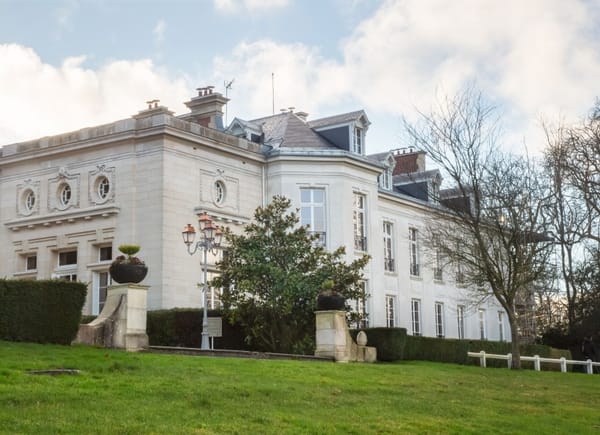
From 109 € excl. tax/person
Castle \/ Estate
Study day: Venue hire throughout France
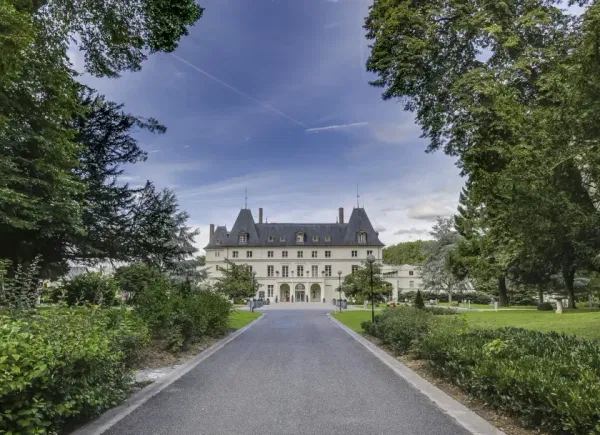
From 93 € excl. tax/person
Convention center
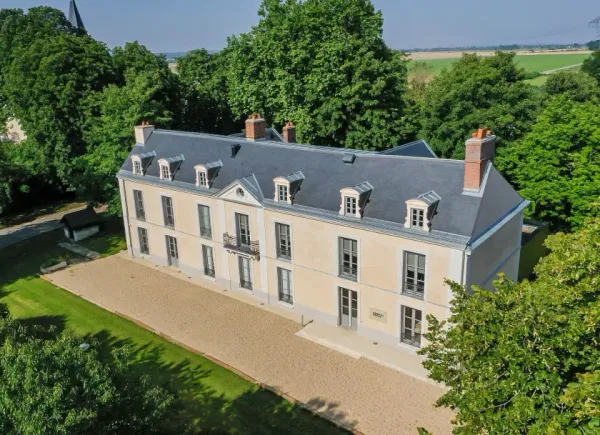
From 100 € excl. tax/person
4* Hotel
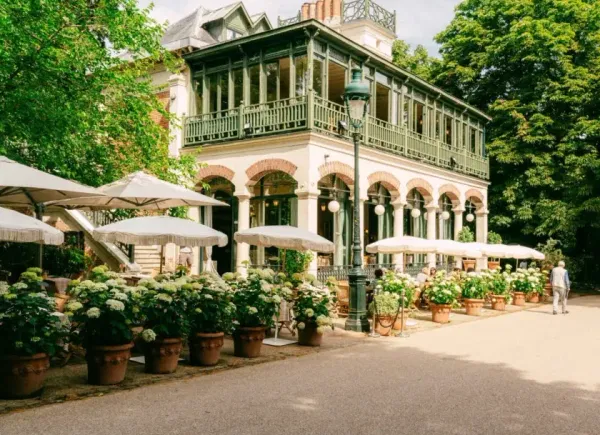
From 100 € excl. tax/person
Restaurant
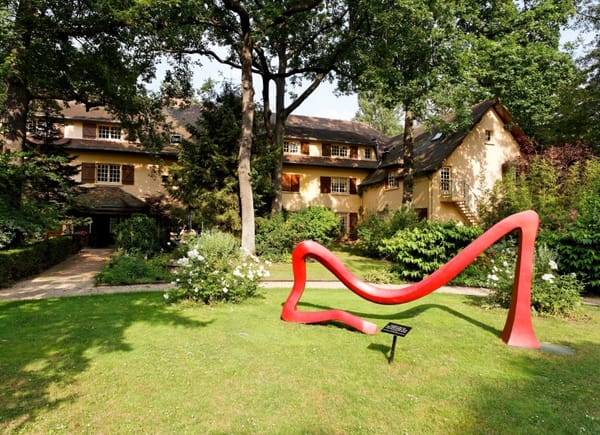
From 99 € excl. tax/person
4* Hotel
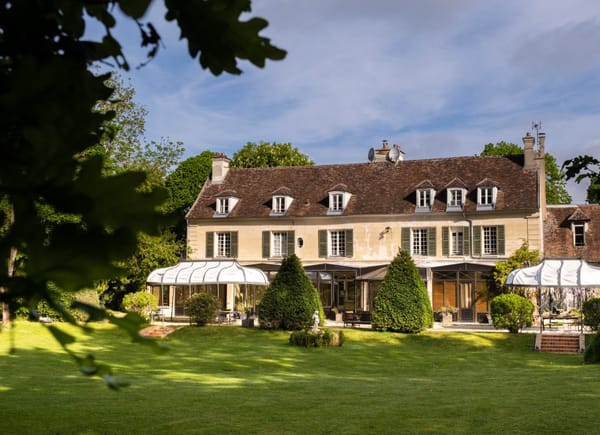
From 84 € excl. tax/person
Castle \/ Estate
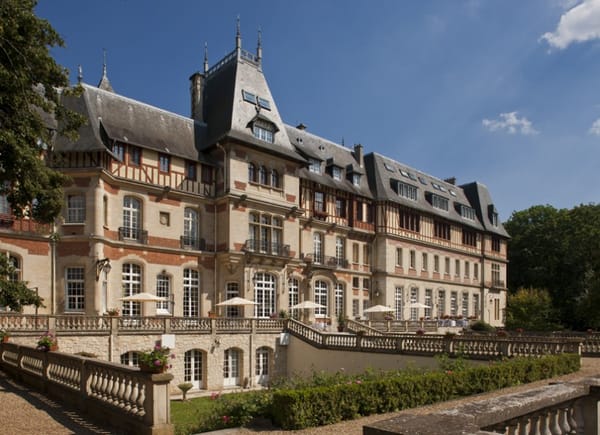
From 106 € excl. tax/person
Castle \/ Estate
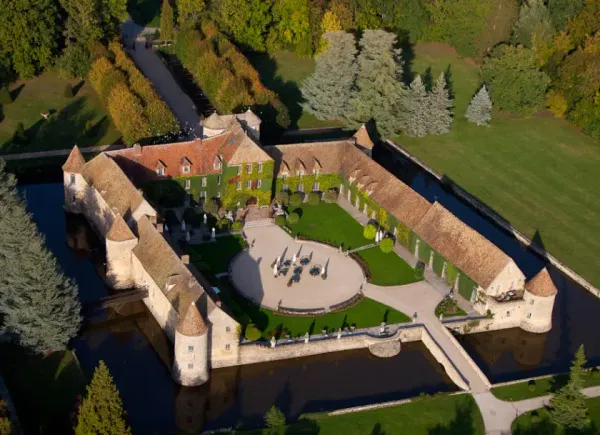
From 222 € excl. tax/person
Castle \/ Estate
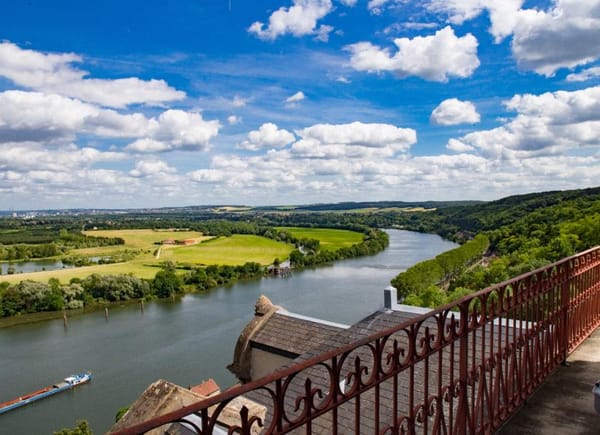
From 85 € excl. tax/person
Castle \/ Estate
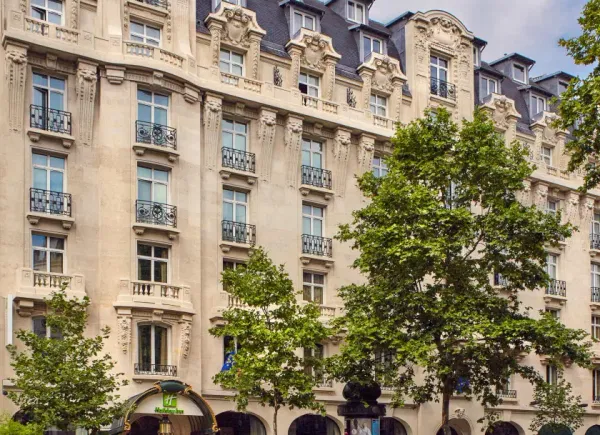
From 100 € excl. tax/person
Meeting room
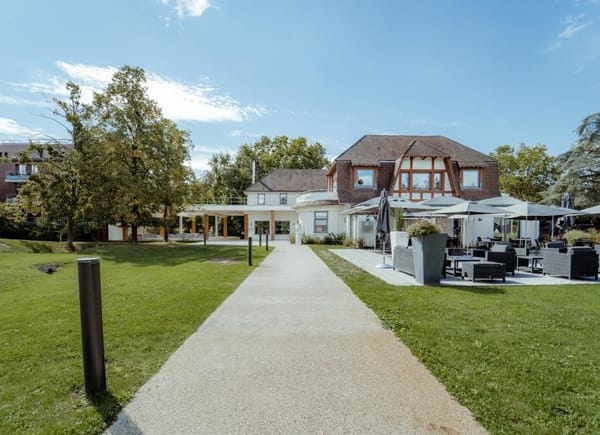
From 110 € excl. tax/person
Meeting room
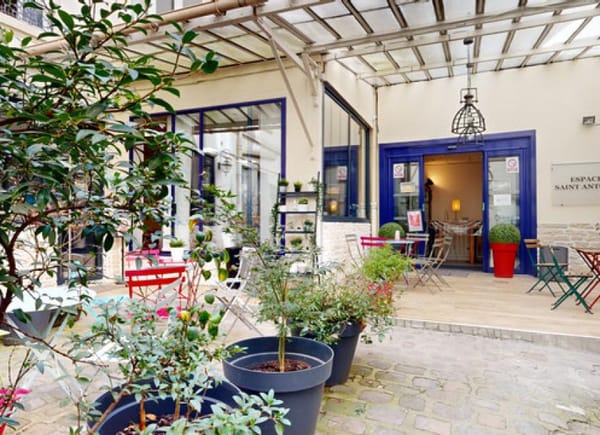
From 68 € excl. tax/person
Business center
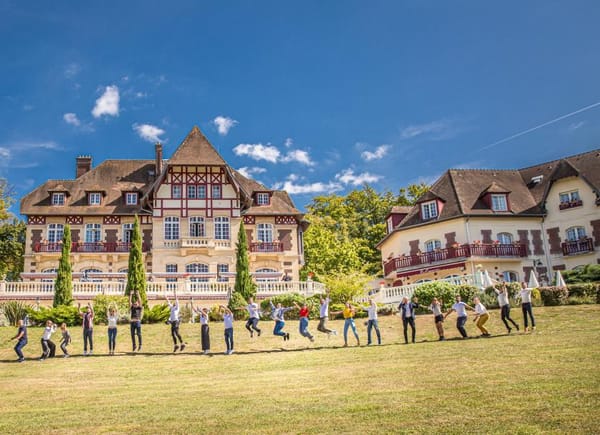
From 100 € excl. tax/person
4* Hotel
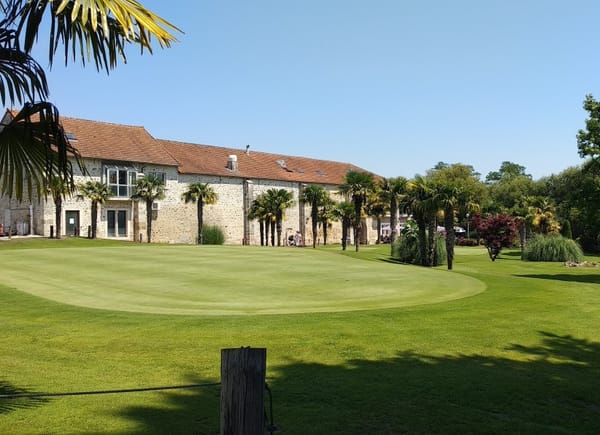
From 62 € excl. tax/person
3* Hotel
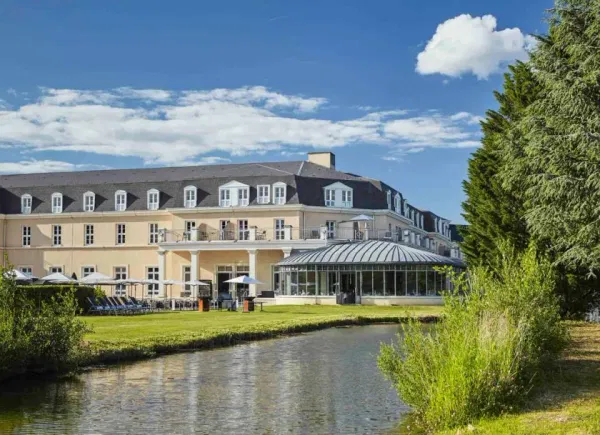
From 94 € excl. tax/person
4* Hotel
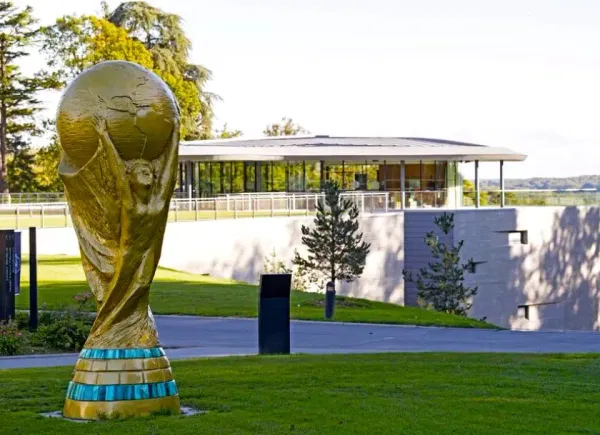
From 115 € excl. tax/person
Castle \/ Estate

From 87 € excl. tax/person
4* Hotel
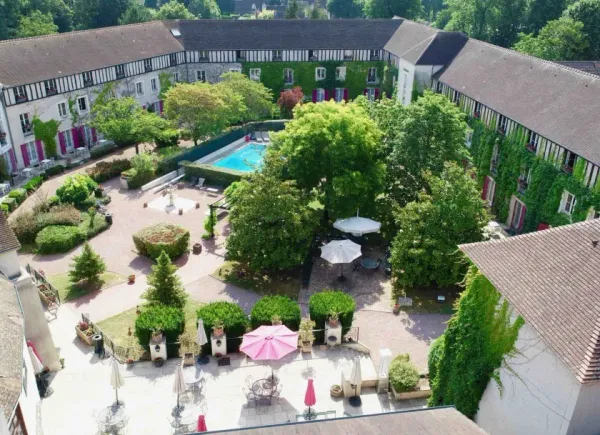
From 88 € excl. tax/person
Castle \/ Estate
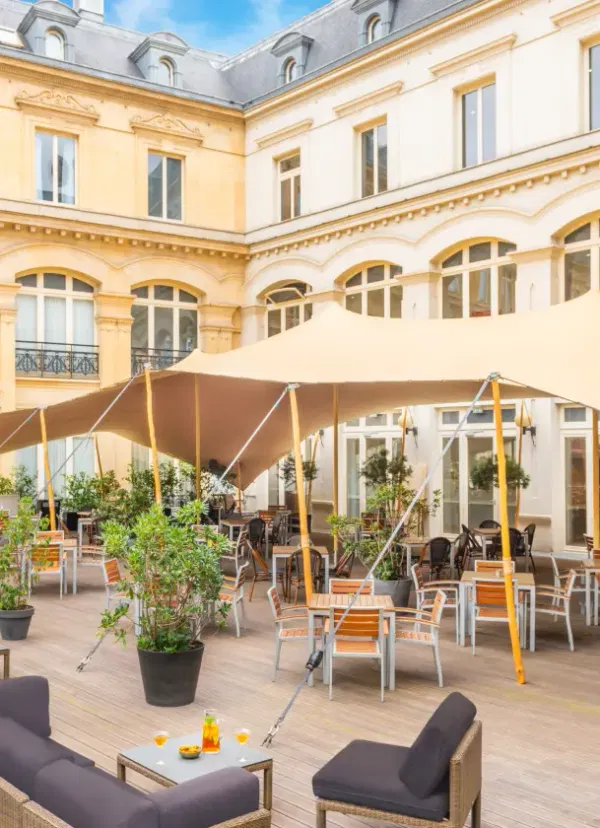
From 107 € excl. tax/person
4* Hotel
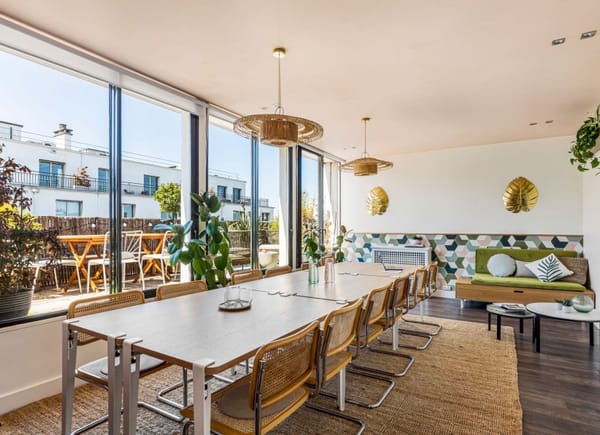
From 105 € excl. tax/person
Loft / Apartment
Organize your study day in no time!
Organizing a study day is an ideal opportunity to strengthen collaboration, stimulate exchanges, and share knowledge in an environment conducive to reflection. Whether for a strategic meeting, a training session, or a creative workshop, this format offers an enriching break in the heart of a well-structured day. With adapted spaces, modern equipment, and moments of conviviality, a study day is a powerful lever for uniting your teams and achieving your professional objectives. Entrust us with your project and discover inspiring places to transform your event into a memorable experience.


FAQ
Why organize a study day?
In a professional daily life often punctuated by tight deadlines and changing priorities, a study day allows you to take a step back. By leaving the usual work environment, your teams can fully concentrate on strategic subjects without distractions.
It is also an excellent opportunity to strengthen ties between colleagues. By encouraging exchanges in a different setting, you promote the sharing of ideas and the creation of new professional dynamics.
Furthermore, whether you want to organize workshops, presentations or brainstorming sessions, the study day adapts to your objectives. You can integrate moments of relaxation, such as a convivial lunch or team-building activities, to vary the pleasures and maintain everyone's attention.
How to organize a study day well?
First and foremost, clearly identify what you want to achieve. Do you want to train your employees on a new skill? Develop a strategy for a key project? Or perhaps work on team cohesion? Once your objectives are established, you can orient the entire study day around these priorities.
Next, the choice of location is crucial for the success of your event. Choose a comfortable and well-equipped space with an inspiring atmosphere. Opt for bright, well-ventilated rooms with high-performance audiovisual equipment. Unusual places, such as castles or rooftops, can also add a touch of originality to your study day.
Then, a well-structured schedule is essential to maintain a good pace throughout the day. Alternate between moments of exchange, breaks, and interactive activities to avoid participant fatigue. Don't forget to incorporate a margin of flexibility to adapt to unforeseen events.
The advantages of using Alfred Meeting
?A wide choice of suitable venues
Alfred Meeting offers you a varied selection of venues perfectly suited to study days: hotels with meeting rooms, modern coworking spaces, or even unusual venues. Each venue is carefully selected to guarantee your comfort and that of your teams.
?Simplified organization
With Alfred Meeting, you save valuable time. Thanks to our platform, quickly compare available venues, get instant quotes and book in a few clicks. We also provide you with tools to personalize your event, such as the choice of equipment or catering services.
?Tailor-made support
Need help defining your needs or refining your schedule? Our experts are there to support you every step of the way. They ensure that all the details, from technical equipment to gourmet breaks, are taken into account for a smooth day.
What is the average cost of a day of study?
The rates for a study day vary depending on several criteria: the location chosen, the duration of the rental, the necessary equipment, and additional services such as catering. In general, the cost ranges from 50 to 150 euros per person. Alfred Meeting helps you find solutions tailored to your budget.
What activities to include?
To make a study day engaging and productive, it is essential to integrate varied activities. Collaborative workshops are an excellent option to encourage participants to work together on concrete problems. <\/span><\/p> These small group work sessions promote innovation and problem solving. Brainstorming sessions stimulate creativity by quickly generating ideas on a given topic. They are ideal for collective reflection. <\/p> Organizing a round table or group discussion on a specific theme can also be very enriching. This allows participants to exchange points of view and deepen key topics. <\/p> To strengthen interpersonal skills, role-playing games are particularly effective, simulating real-life situations such as negotiations or presentations. <\/p> Interactive training sessions can be integrated to allow participants to acquire new skills actively, while sharing case studies. <\/p> Finally, moments of relaxation or meditation can help reduce stress and maintain optimal concentration. Alternating between intense reflection and lighter moments helps to make the study day both productive and enjoyable.<\/p>
What does a study day look like?
A study day typically lasts between 6 and 8 hours, depending on the specific needs and the planned program. It usually starts in the morning, around 9:00 AM, with an introduction or icebreaker activity, followed by work sessions, group discussions, and workshops. A lunch break is often scheduled between 12:00 PM and 1:30 PM, followed by the afternoon with other interactive activities or conferences. Depending on the content and objectives of the day, regular breaks of 15 to 30 minutes are recommended to maintain the attention and productivity of the participants.
If the event includes team-building activities or in-depth training, the duration may extend up to 9 or 10 hours. However, to maximize efficiency, it is advisable not to exceed a duration of 8 hours to avoid fatigue and promote a productive work environment.
Other ideas for your corporate event:
Other localization ideas for Séminaire:
Paris
Occitanie Seminar
Seminar in Dordogne
Morbihan
Toulouse
Nouvelle-Aquitaine
Rennes Seminar
Seminar Lille
Île-de-France Seminar
Marseille
Lyon
Pyrenees Seminar
Brittany Seminar
Montpellier Seminar
Aix en Provence Seminar
Seminar in Marrakech
Seminar Bordeaux
Seminar in Nantes
Tours Seminary
Provence-Alpes-Côte d'Azur Seminar
See more

Other frameworks and venue types for Séminaire:
Seminar Hotel
Château Seminar
Residential Seminar
Seminar in the Mountains
Seminar Estate
Seminar Restaurant
Seminar Chalet
High-end seminar
Green Seminar
Sports Seminar
Seaside Seminar
Seminar Camping
Unusual Seminar
Eco Responsible Seminar
See more
