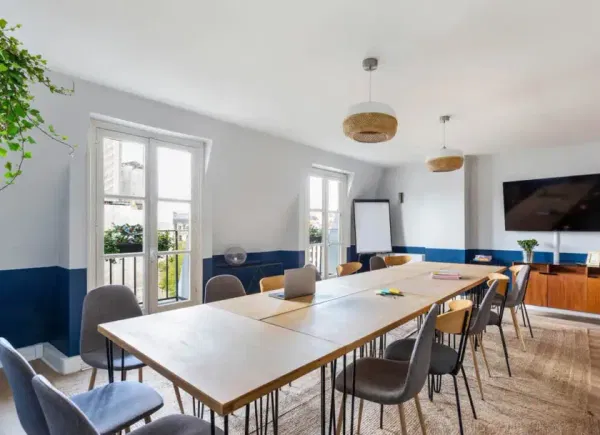
Price on request
Event space
Rent an event space for a professional event
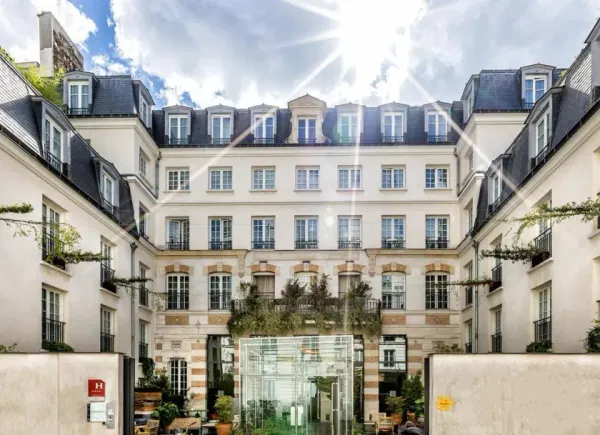
From 85 € excl. tax/person
Event space
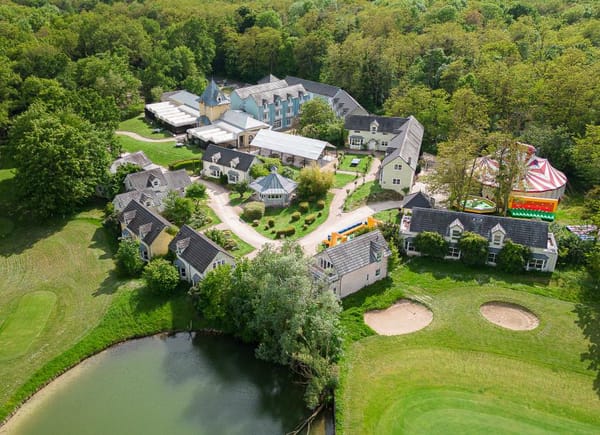
From 140 € excl. tax/person
Event space
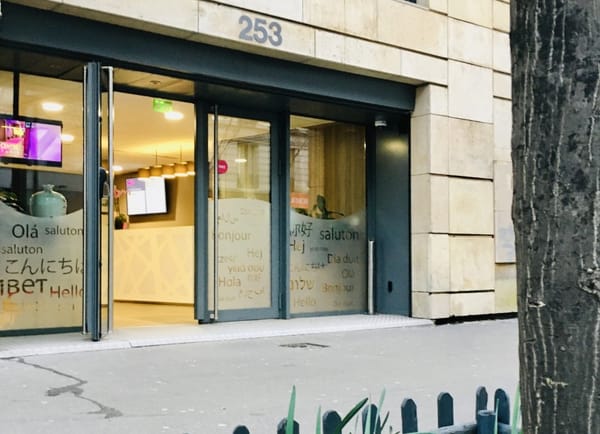
Price on request
Business center
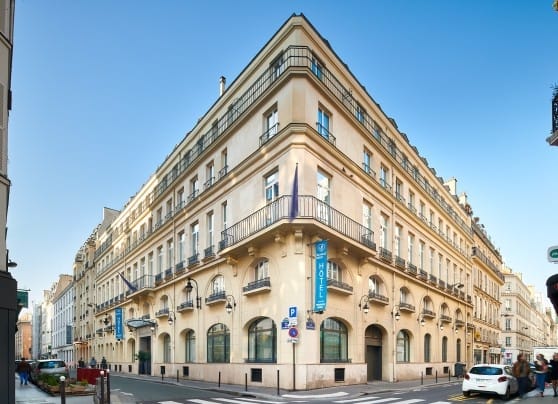
From 47 € excl. tax/person
Event space
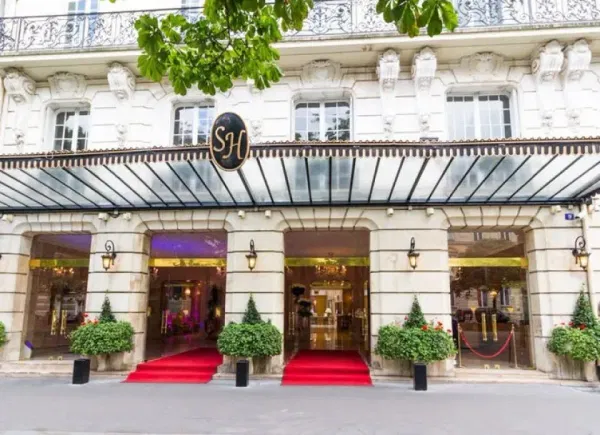
From 70 € excl. tax/person
Event space
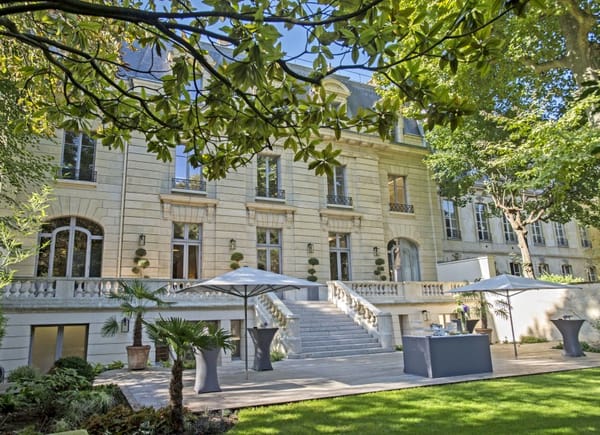
From 150 € excl. tax/person
Villa / House
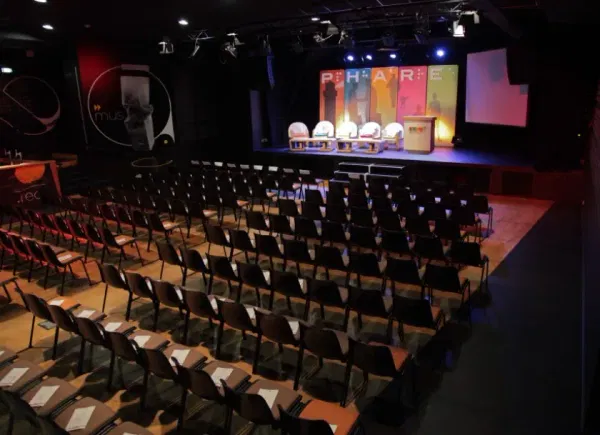
From 60 € excl. tax/person
Event space
From 140 € excl. tax/person
Villa / House
From 92 € excl. tax/person
Event space
From 70 € excl. tax/person
Event space
From 110 € excl. tax/person
Event space
From 36 € excl. tax/person
Event space
From 182 € excl. tax/person
Event space
Price on request
Restaurant

From 119 € excl. tax/person
Event space
From 80 € excl. tax/person
Event space
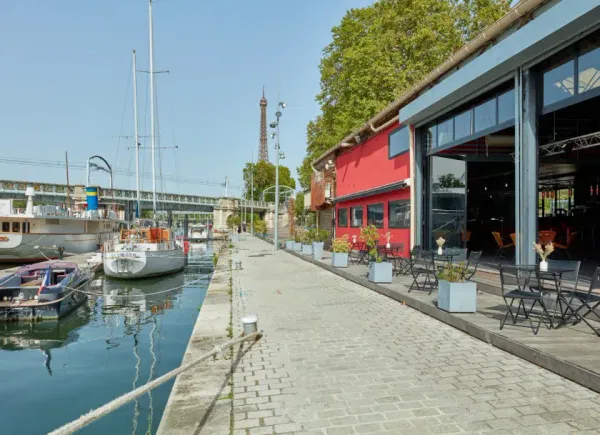
From 85 € excl. tax/person
Event space
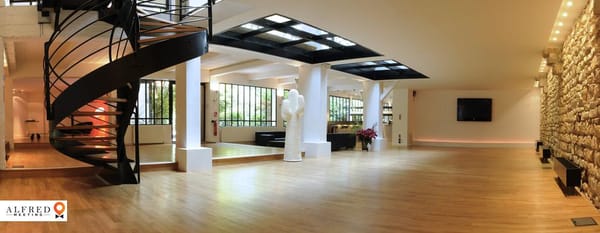
Price on request
Event space
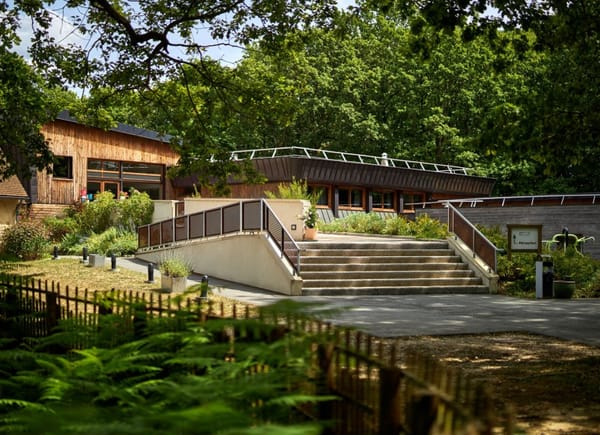
Price on request
Event space
The best event spaces
Organizing a memorable event starts with choosing the ideal venue. Event spaces offer unique and flexible settings to bring your projects to life, whether it's seminars, corporate parties, product launches, or other special occasions. From historical sites to modern halls and atypical spaces, each option allows you to personalize the experience and meet the specific needs of your event.


FAQ
What is an event space?
An event space is a venue dedicated to holding events such as conferences, seminars, trade shows, corporate parties, concerts, or other gatherings. These spaces are specifically designed to host events, and their design varies depending on the nature of the event they host. Some are modular, offering great flexibility, while others are already adapted to a specific type of event, such as conference rooms or theaters.
Event spaces are often equipped with modern facilities, such as audiovisual equipment, sound systems, special lighting, and high-speed Internet access, to meet the specific needs of organizers and participants.
What types of event spaces are there?
1. Conference Centers
Conference centers are among the most popular spaces for organizing professional events such as seminars, symposiums, or congresses. These venues are specifically designed to accommodate groups of varying sizes and typically have multiple meeting rooms, exhibition spaces, and catering services. A modern conference center also offers high-quality equipment, such as projectors, screens, microphones, and Wi-Fi connections. One of the main advantages of conference centers is their accessibility. They are often located in strategic areas, close to city centers or airports, making it easy for participants coming from outside to reach the event venue.
2. Hotels with Meeting Spaces
Many hotels offer event spaces dedicated to businesses and groups. These spaces are often equipped with all the necessary amenities to organize a seminar or business meeting, while allowing participants to benefit from on-site accommodation and catering services. Hotels with meeting rooms are particularly convenient when the event lasts several days, as they allow you to combine accommodation, meals, and workspaces in one place.
Hotels also offer a wide variety of customization options, allowing you to adapt the space to the size and nature of the event. In addition, many hotels are located in prime locations, such as city centers, making access easier.
3. Unique Spaces
Unique spaces, such as lofts, renovated warehouses, art galleries, or historical sites, are increasingly popular for organizing events. These venues offer a unique atmosphere and create a memorable experience for participants. Unique spaces are ideal for events such as product launches, corporate parties, weddings, or cultural events.
One of the great advantages of unique spaces is their flexibility. Organizers can arrange the space according to their specific needs and create a custom atmosphere for the event. In addition, these original venues are often less conventional, which can make the event more creative and memorable.
4. Performance Halls and Theaters
For larger events, such as international conferences, shows, or concerts, performance halls and theaters are ideal options. These spaces are designed to accommodate a large number of people and have all the necessary facilities, such as high-quality sound systems, professional lighting, and comfortable seating.
In addition, theaters and other similar venues are often equipped with dressing rooms and preparation areas for speakers and artists, making them versatile venues for large-scale events.
5. Outdoor Spaces
Outdoor events, such as festivals, outdoor weddings, or field seminars, require suitable outdoor spaces. Parks, gardens, beaches, or terraces can offer a natural setting conducive to events. These venues allow for greater freedom of layout and create a relaxed and pleasant atmosphere.
However, organizing an outdoor event requires more detailed preparation, particularly with regard to weather, sanitary facilities, lighting, and technical equipment. It is also essential to ensure that the outdoor space has the necessary permits to host a public or private event.
How to Choose the Ideal Event Space?
? Define Event Objectives
Before choosing an event space, it is essential to clearly define the objectives of your event. Is it a professional seminar, a product launch party, a wedding, or an international conference? The nature of the event will determine the type of space you need. For example, for a seminar or conference, a conference center or a hotel with meeting rooms will probably be more suitable, while a wedding or a more creative event will benefit more from an atypical space.
?Consider the Size of the Event
The size of the event is also a determining factor. You must choose a space that can comfortably accommodate all your guests while allowing smooth circulation. If you expect a large number of participants, it is advisable to choose a larger space, such as a conference center or a large auditorium. Conversely, for a more intimate event, a hotel or an atypical space may suffice.
?Evaluate Accessibility and Location
Accessibility is another key factor. The location of the event space must be easily accessible to all participants. This includes proximity to public transport, airports, train stations and car parks. The location of the space can also have an impact on the success of the event, as a location in a dynamic or tourist area may attract more participants.
?Check the Equipment and Services Offered
One of the most important aspects in choosing an event space is the equipment available. Make sure that the space has the necessary facilities to meet the technical requirements of your event: audiovisual equipment, Wi-Fi, lighting, sound systems, etc. Also check if additional services are offered, such as catering, accommodation, security or technical assistance.
?Consider the Budget
Budget is always a determining factor in choosing an event space. It is essential to know the costs associated with renting the space, as well as any additional costs for equipment, catering, or staff services. Don't forget to take into account transport and accommodation costs if your event attracts participants from outside the area.
Other ideas for your corporate event:
Other localization ideas for Soirée:
Corporate event in Paris
Company Party in Lyon
Company Party Toulouse
Company Party Angers
Company party Bordeaux
Company evening Nantes
Company Party Rennes
Company Party Montpellier
Company party Marseille
Company party Lille
Company party Grenoble
Company party Strasbourg
Company Party Aix en Provence
Company party Reims
Company party Nice
Company party Rouen
Company event Tours
See more

Other frameworks and venue types for Soirée:
Afterwork
Barge Rental
Rooftop Party
Cocktail Reception
Seated dinner party
Dance Party
Restaurants for Company Parties
Outdoor Party
